
In logistics and supply chain management, tracking assets like pallets, containers, and vehicles is crucial for optimizing operations and ensuring timely deliveries using the smart IoT devices.
Beacons: Placed on pallets, packages, or vehicles, beacons transmit location and status data, enabling precise tracking throughout the supply chain, even in areas with limited Bluetooth access, such as warehouses.
Gateways: Positioned in warehouses, distribution centres, or transport hubs, gateways collect beacon signals and relay them to cloud platforms, offering end-to-end visibility of asset movements.


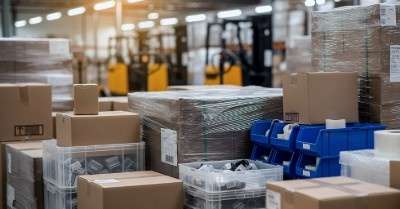
BLE beacons attached to packages or pallets enable real-time inventory tracking in warehouses. They provide accurate counts, reducing errors and preventing stockouts. Staff can locate items instantly via mobile apps, streamlining order fulfillment and minimizing delays, especially during peak demand or urgent shipments.
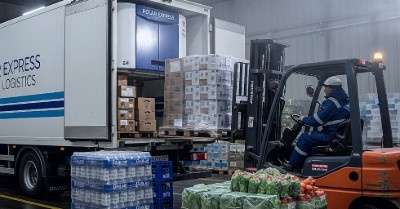
BLE gateway monitor forklifts moving materials from warehouse racks to delivery trucks with BLE sensor tag. Real-time location data optimizes routes, reduces idle time, and enhances workflow efficiency. This ensures faster loading/unloading, cuts fuel costs, and improves delivery schedules, keeping operations smooth even in high-volume logistics hubs.

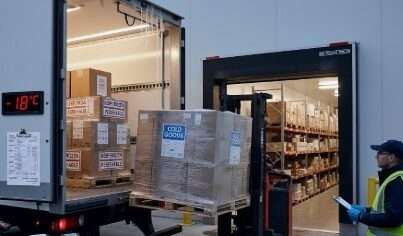
BLE beacons with sensor tag track temperature-sensitive goods like pharmaceuticals or perishables. They monitor conditions in real time, ensuring compliance with strict regulations. Alerts notify staff of deviations, preventing spoilage and maintaining product integrity throughout the supply chain, critical for quality and safety.
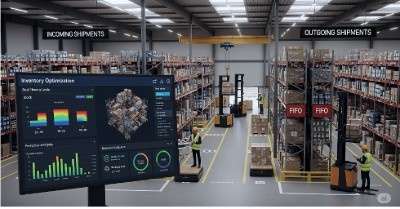
BLE trackers provide data on asset movement and utilization, revealing inefficiencies in warehouse storage. Analytics help optimize stock levels, reducing overstocking or shortages. This ensures resources are allocated effectively, minimizing waste and supporting just-in-time inventory practices for cost-effective logistics operations.
BLE beacons attached to packages or pallets enable real-time inventory tracking in warehouses. They provide accurate counts, reducing errors and preventing stockouts. Staff can locate items instantly via mobile apps, streamlining order fulfillment and minimizing delays, especially during peak demand or urgent shipments.
BLE gateway monitor forklifts moving materials from warehouse racks to delivery trucks with ble sensor tag. Real-time location data optimizes routes, reduces idle time, and enhances workflow efficiency. This ensures faster loading/unloading, cuts fuel costs, and improves delivery schedules, keeping operations smooth even in high-volume logistics hubs.
BLE beacons with sensors track temperature-sensitive goods like pharmaceuticals or perishables. They monitor conditions in real time, ensuring compliance with strict regulations. Alerts notify staff of deviations, preventing spoilage and maintaining product integrity throughout the supply chain, critical for quality and safety.
BLE trackers provide data on asset movement and utilization, revealing inefficiencies in warehouse storage. Analytics help optimize stock levels, reducing overstocking or shortages. This ensures resources are allocated effectively, minimizing waste and supporting just-in-time inventory practices for cost-effective logistics operations.
Tracks assets from warehouses to delivery, improving transparency and accountability.
Reduces losses of high-value goods or containers during transit or storage.
Optimizes asset utilization, reducing delays and improving delivery times.
Provides accurate tracking information, enhancing trust and service quality.
For example,
Fixed gateways are installed in the warehouse, at loading docks, and in refrigerated delivery trucks. These IoT gateways collect signals from the beacon tags and transmit location and temperature data to a cloud-based platform. Delivery drivers also use smartphones with a dedicated app (acting as a mobile gateway) to update shipment statuses, temperature, etc.